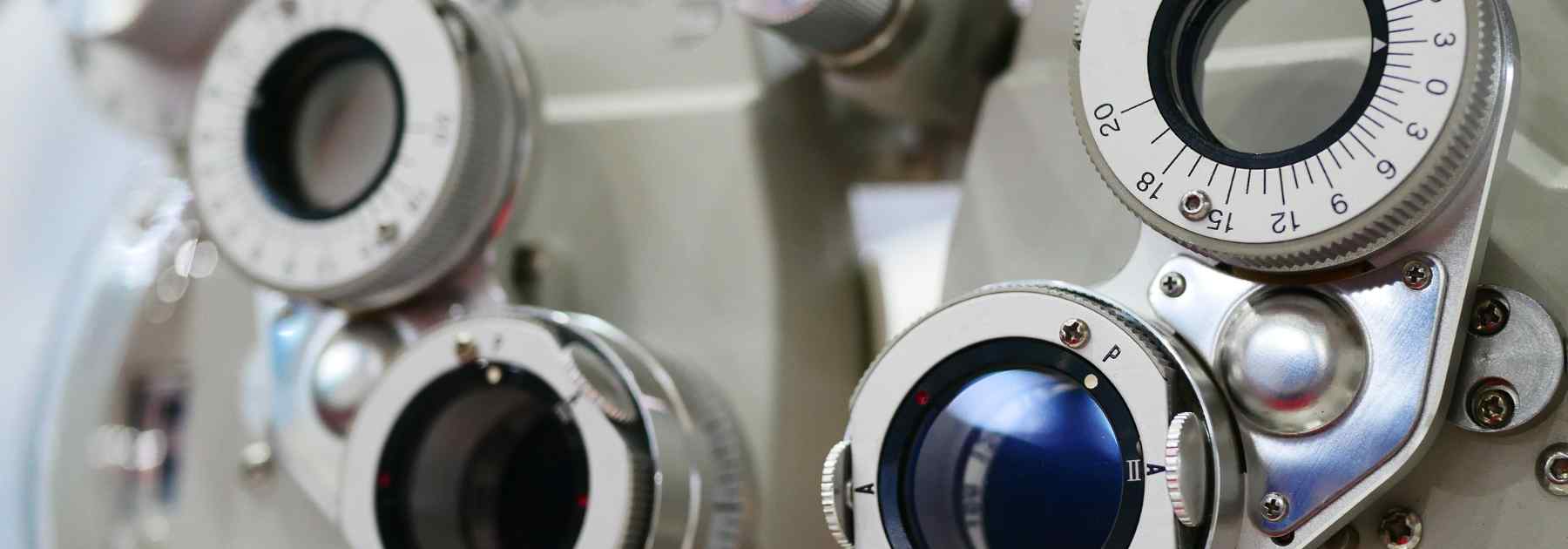
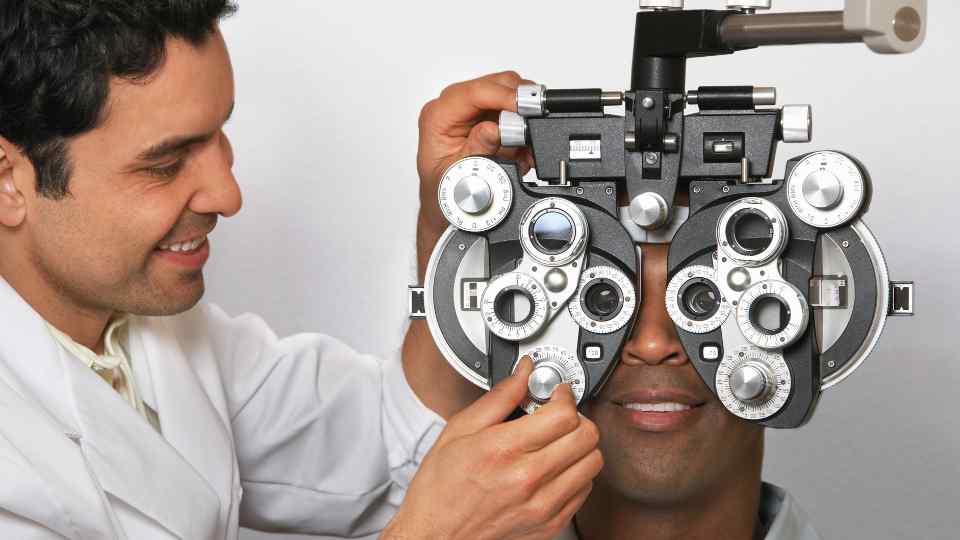
Your Eye Test Checks More Than Your Vision
A routine eye exam at Robertsons Pharmacy checks far more than your prescription. Our opticians screen for early signs of glaucoma, diabetes, and macular degeneration, conditions that often show no symptoms until significant damage has occurred.
Many patients also qualify for a free NHS sight test, so ask our team when you book your appointment.
Glasses and Contact Lenses Suited to Your Needs
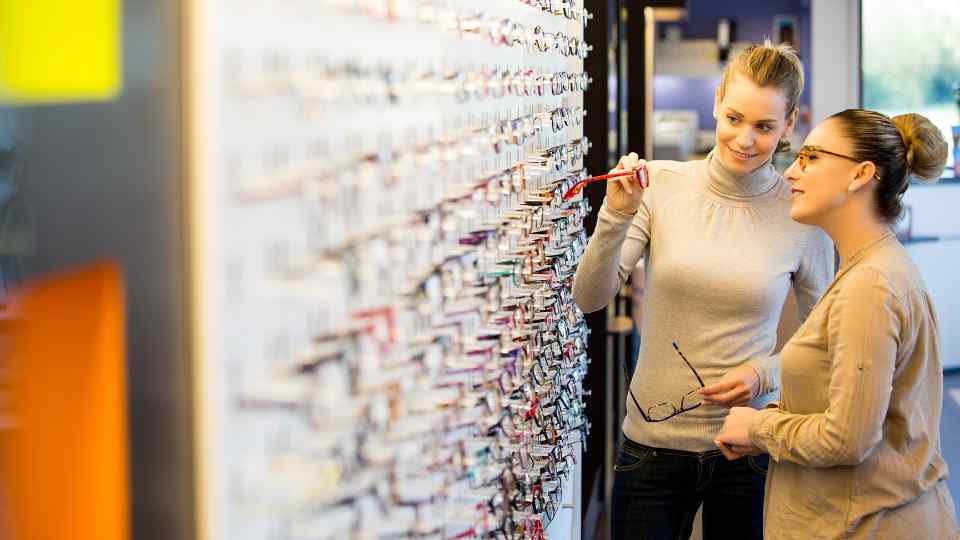
Once your prescription is confirmed, our opticians help you choose the right solution, whether that is single vision lenses, varifocals, or contact lenses. We offer a range of frames and lens types to suit different lifestyles and budgets.
We also provide contact lens fittings, aftercare, and ongoing advice to keep your eyes comfortable.
- MECS – Minor Eye Clinic Service ✓
- Contact Lens Management ✓
- Myopia Control Management ✓
- Independent Prescribing Management ✓
- Paediatric Examination and SEND Kids Testing ✓
- Autism Friendly Eyecare ✓
- Specialist Paediatric Glasses ✓
- Official Stockist of Tomatoe Glasses ✓
- Prescription Swimming Goggles ✓
NHS Minor Eye Clinic Service
Or abbreviated as MECS, you can access the service right here at Robertsons. Instead of waiting for a GP appointment or sitting in A&E, you can be assessed and treated quickly by our specially trained, accredited optometrists. This is a free NHS service, and you do not need a referral from a doctor to book.
Our Optical Services
Everything you need for healthy eyes, all in one place at Bedford.
Eye Tests
NHS and private sight tests at both branches.Glasses
Frames and lenses for every prescription and budget.Contact Lenses
Professional fittings with aftercare for all wearers.Children's Tests
Free NHS tests for all under-16s.Common Questions About Eye Care
Everything you need to know before your visit.
Every two years for most adults. Annual tests are advised for children, over-60s, people with diabetes or glaucoma, and contact lens wearers. Your optician will recommend the right schedule for you.
You may be eligible if you are under 16, aged 60 or over, have diabetes or glaucoma, have a family history of glaucoma and are 40 or over, or receive certain means-tested benefits. Our team will confirm your eligibility at your visit.
A full eye examination typically takes between 20 and 30 minutes, covering vision testing, eye health checks, and time to discuss your results and any questions you may have.